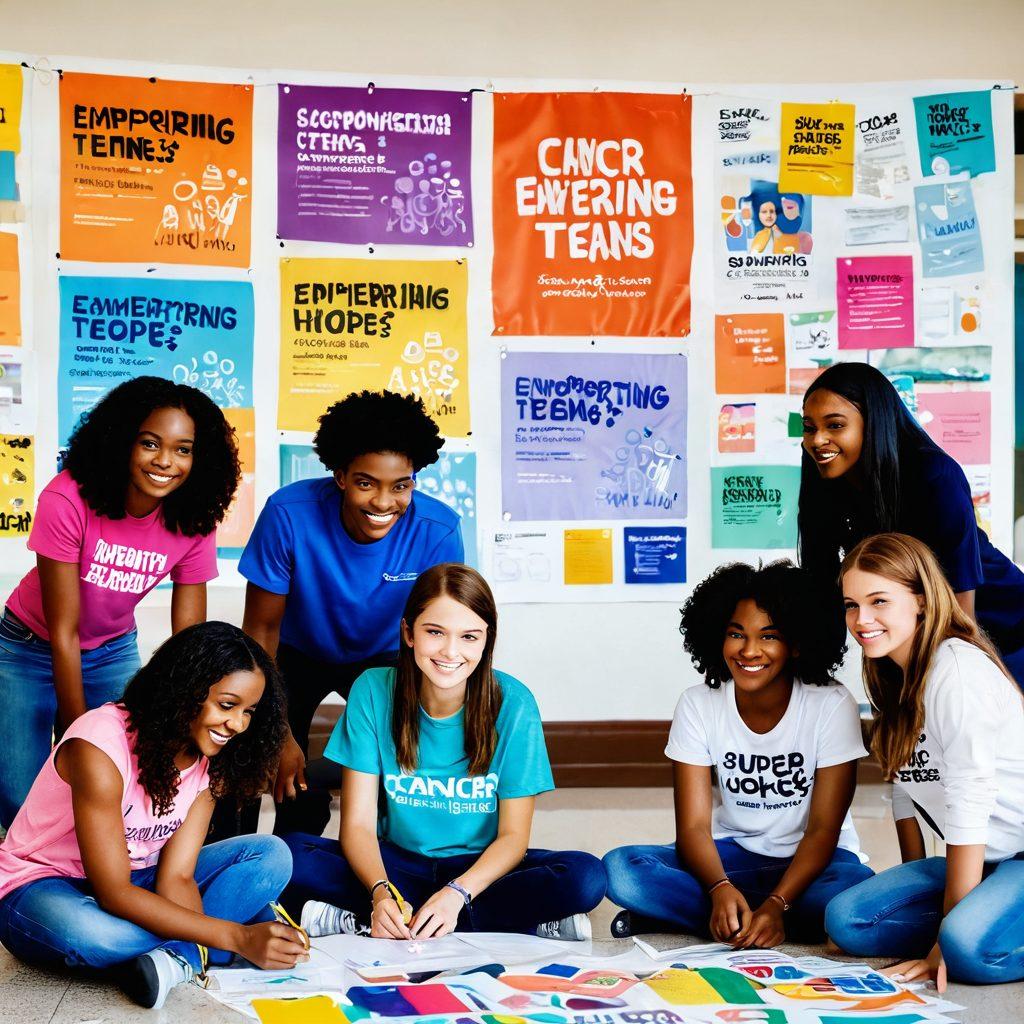
Empowering Teens: A Comprehensive Guide to Cancer Awareness and Support
Navigating the unpredictable waters of adolescence can be challenging enough, but when cancer enters the picture, it can feel like a storm has rolled in. Understanding cancer symptoms and the journey of diagnosis is crucial, not just for teens who may face this daunting illness, but also for their peers and families. Every year, thousands of teens are diagnosed with types of cancer that often mirror adult conditions, sparking endless questions about health education, cancer research, and the mechanisms of adolescent health. How can we empower our youth with the knowledge they need to face this adversity head-on?
When it comes to cancer, knowledge is truly power. Recognizing cancer symptoms early can make a world of difference. If your friend has started experiencing unexplained fatigue, persistent pain, or sudden weight loss, these could be potential red flags. It's essential to address these concerns honestly and openly. Remember the wise words of Helen Keller, who said, "Alone we can do so little; together we can do so much." Engaging in candid conversations about health awareness and supporting each other through moments of uncertainty can foster a stronger bond among friends.
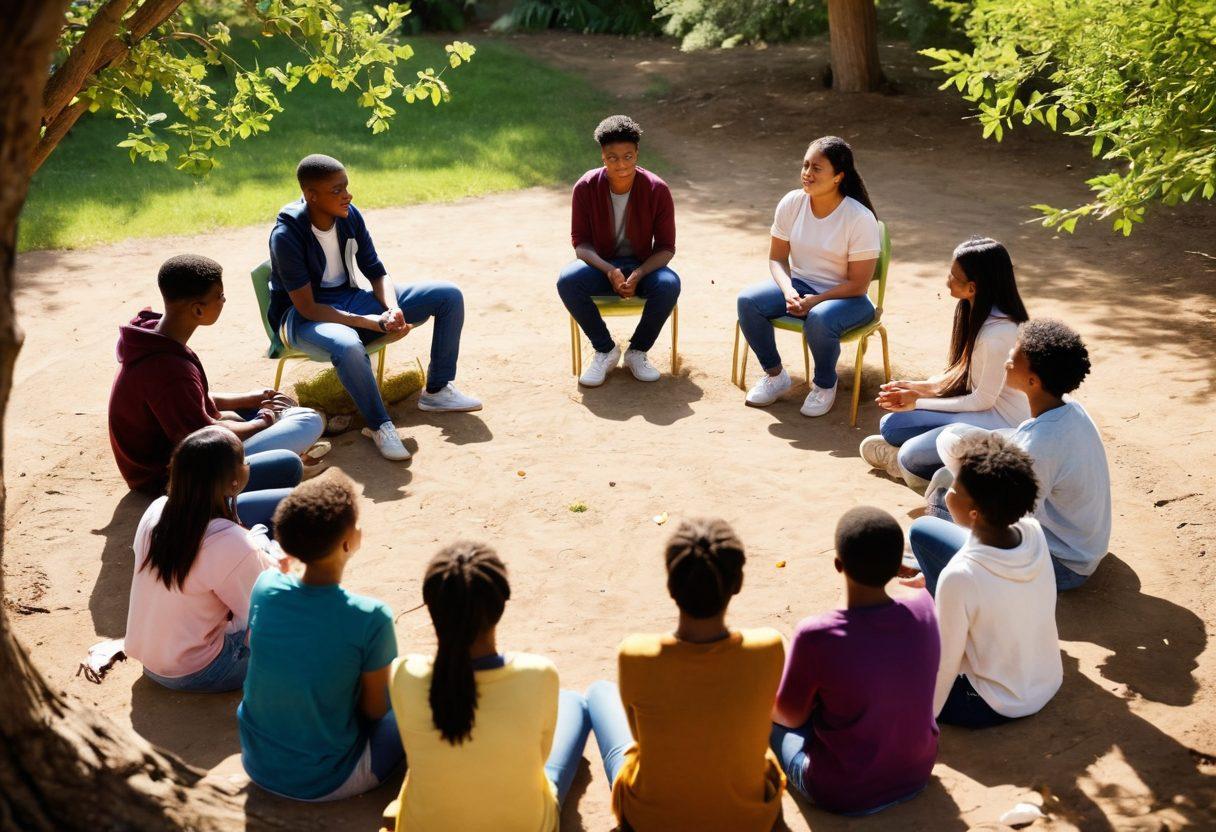
One of the hardest parts of this journey is the initial diagnosis. The word 'cancer' evokes fear and confusion, especially in a young mind. This is where patient support and resources come into play. Teens can access various teen health resources, including support groups for cancer, both online and offline, where stories of survival and encouragement flourish. Finding solace in the experiences of others can help alleviate anxiety and promote mental health for teens. What if your friend’s story could inspire hope in another?
An important aspect of navigating cancer is being proactive about health. The concept of cancer prevention isn’t just for adults; teens can adopt lifestyle habits that promote overall wellbeing. Simple actions like maintaining a balanced diet, engaging in regular physical activity, and participating in cancer advocacy initiatives can significantly influence adolescent health. Teen wellness is a collective responsibility; it's about empowering each other. How can you advocate for your own health and that of your peers?
As we wrap up this conversation, remember that the journey doesn’t end with diagnosis. The path encompasses treatment, emotional battles, and the broader scope of cancer survival. Every teen impacted by cancer has a unique story to tell, and each narrative holds the power to educate and inspire others. As we continue to foster cancer awareness through health education and community support, it becomes clear that together, we can weather any storm. Whether through sharing stories, building support networks, or simply listening, let's embrace our roles as advocates for ourselves and our peers. What will your story be?
Empowering Young Voices: The Role of Teen Advocacy in Cancer Awareness and Research
As we navigate through the landscape of adolescent health, one topic that shines a light on resilience and hope in the face of adversity is cancer awareness. For many teens, the topic of cancer can feel overwhelming, yet it provides a pivotal opportunity for young voices to emerge as strong advocates in oncology and cancer support. Imagine a world where teens are not just passive observers of health education but active participants, influencing cancer research and disseminating vital information about cancer symptoms and prevention. This role empowers young people, gives them a platform to express themselves, and fosters a culture of proactive health engagement among their peers.
Teen advocacy in cancer awareness isn’t just about being informed; it also tells the stories of young cancer survivors who have walked this challenging path.
Their narratives serve as beacons of hope and understanding, encouraging others to share their own cancer stories. They remind us of the importance of patient support as they discuss their cancer diagnosis and treatment journeys. Reflecting on one such story, a teen shared, 'I was scared of the unknown, but my peers turned my fear into strength. For every tear I cried, they held my hand and reminded me that I wasn't alone.' This kind of support is invaluable, as it emphasizes the mental health for teens undergoing cancer treatment and the significance of finding solid support groups for cancer.
Furthermore, empowering young voices goes beyond addressing the emotional aspects; it also encompasses practical elements like health awareness. How often do we want to know the truth but hesitate to ask? Teens can spearhead initiatives that transform health education, advocating for realistic discussions about cancer prevention and adolescent health. Workshops in schools led by teen advocates can provide a platform for relevant topics associated with cancer and mental health for teens, nudging everyone towards more informed lifestyle choices.
To foster teen wellness, it's crucial to provide accessible teen health resources. Imagine the impact if schools introduced peer-led programs where discussions about cancer symptoms and prevention became part of the curriculum. Such initiatives not only create a safe space for teens to express their concerns and share experiences but enhance overall cancer survival rates by promoting awareness. As advocates, teens can play a significant part in dismantling the stigma associated with cancer, helping peers feel comfortable addressing their emotions and utilizing available resources.
In conclusion, teen cancer advocacy is not just a campaign; it's a movement—one that encourages young people to own their health journeys. Teens, when equipped with the right tools, can reshape the conversation around oncology by being proactive, supportive, and resilient. In the words of one young advocate, 'My voice is my power, and through it, I can change the world, one conversation at a time.' So, how will you use your voice to advocate for awareness and support? Let's rally together in support of youth cancer initiatives and make a lasting impact on our communities. Together, we can promote a future where every teen feels empowered to take charge of their health and the well-being of those around them.
Building Resilience: Comprehensive Support Systems for Teens Facing Cancer Challenges
Picture this: a vibrant teenager full of energy, dreams, and possibilities. Then comes the unexpected announcement—cancer diagnosis. It can feel as though the world has come crashing down, and everything familiar is now cloaked in uncertainty. Yet, amidst the bewilderment, there’s one crucial element that can inspire courage and foster resilience: a supportive network. Understanding how to build robust support systems can be a game-changer, not only for the teens but also for their families and friends. Today, we’re diving deep into the world of oncology support systems and the vital role they play in enhancing teen wellness during challenging times.
Now, you might wonder, why is support so essential for teens diagnosed with cancer? It’s simple—adolescents are already at a pivotal stage in their lives, grappling with identity, friendships, and future aspirations. A cancer diagnosis adds layers of complexity to these challenges. This is where cancer support systems step in. They're not just about providing medical care; they are about bolstering emotional health for teens, creating a sanctuary where young patients can express fears, share stories, and find hope. Support groups for cancer often become the lifeline that helps teens navigate their new reality with courage.
Have you ever heard the quote, 'Strength doesn’t come from what you can do; it comes from overcoming the things you once thought you couldn’t'? This resonates powerfully in the context of cancer treatment. Teens can feel isolated and misunderstood, thinking that their friends or peers can’t possibly relate to their experiences. However, sharing cancer stories within a supportive group can forge connections and ignite the spirit of teen cancer advocacy. When young patients see their struggles reflected in others, it opens doors to discussions about cancer symptoms, treatment strategies, and even coping mechanisms for mental health for teens. Together, they can rise above their challenges, turning adversity into resilience.
The role of health education can’t be overstated either. Understanding the nuances of cancer prevention, the importance of regular check-ups, and recognizing early cancer symptoms can empower these young warriors. Imagine a space where they can freely discuss adolescent health issues and learn about cancer research, nurturing their awareness and critical thinking as they face their reality. By equipping teens with knowledge, we fortify their mental and emotional pillars, making them more resilient against the onslaught of challenges that lie ahead.
Finally, it’s imperative to remember that healing cuts across physical boundaries; emotional health is integral to the overall process. Accessing teen health resources can provide not only information but also strategies for maintaining mental well-being throughout treatment. Empower your teenager to advocate for themselves within the healthcare system and remind them that it’s okay to seek help. After all, building resilience is not a solitary journey but a collective effort, one that thrives on understanding, compassion, and community support. As they navigate their path, let’s encourage open conversations, grateful celebrations of small victories, and together, let’s champion their incredible journey toward health and wellness.